
What the engagement covers
A typical ITAD project can include project scoping, local pickup or freight coordination, receiving, serialized identification, data-bearing device routing, testing and grading, refurbishment, resale, parts recovery and downstream recycling.
Data-bearing devices
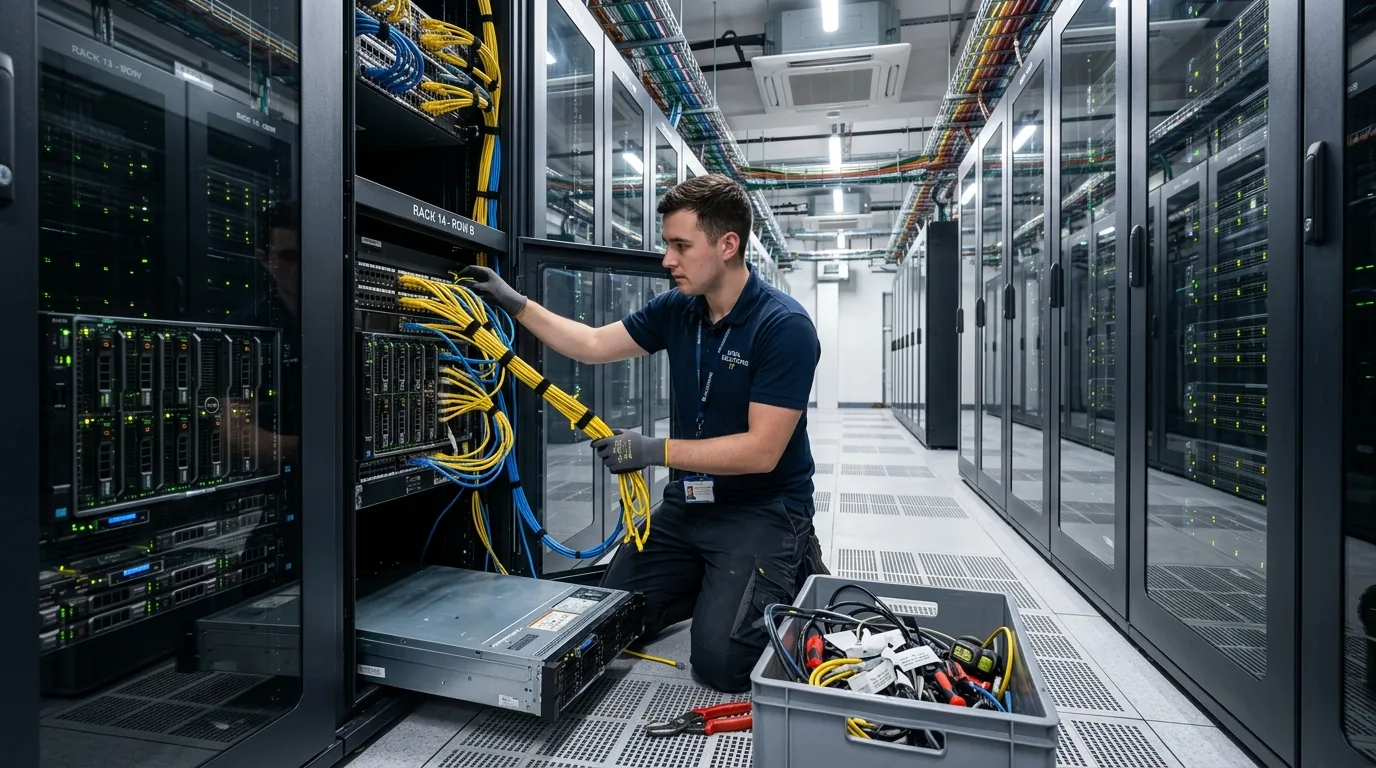
Hard drives, SSDs, servers, laptops and storage systems can be separated into a controlled processing stream. The required path—sanitization for reuse or physical destruction—is defined by the project and security requirement.
Reuse is a disposition outcome
Our model is built around extending useful life where practical. Functional equipment should not become scrap simply because it has reached the end of one owner’s deployment cycle.
What we can include
Retired IT asset management for California businesses
IT asset disposition brings inventory, data handling, logistics and recovery decisions into one project. From our Westminster, California base, we support Southern California business pickups and review larger projects with coordinated freight. Start with the asset types, approximate quantities, location and your required completion date.
As an ITAD company in California, WTWT helps teams plan end-of-life IT asset management for office refreshes, server upgrades and equipment clearouts. A retired IT asset may still have reuse value; its condition, data requirements and agreed processing route determine the next step. Coordinate retired IT asset pickup with your inventory and reporting requirements.
Connect each asset to its next step
A laptop refresh, server replacement or office closure may contain equipment with different outcomes. Discuss IT asset recovery and buyback for reusable inventory, business electronics recycling for end-of-life material and serialized reporting for reconciliation. Processing and documentation requirements are agreed for each project.
Prepare your business IT equipment for disposition
A useful ITAD request starts with an equipment list and a clear outcome for each asset group. Separate laptops and desktops, servers and storage, network equipment, monitors and accessories. Record make, model, quantity, condition and pickup location. Identify devices that contain data before arranging release.
Before pickup
- Confirm ownership and obtain internal approval to retire the equipment.
- Have your IT team complete backups, account removal and any required system shutdown.
- Record serial numbers for assets that need individual tracking.
- Agree on data-device routing, processing responsibilities and required evidence.
- Confirm packaging, loading access and the authorized handoff contact.
Use our free ITAD inventory template (CSV) to organize a quote request. It opens in common spreadsheet applications. Keep passwords, customer records and other confidential data out of the inventory.
Choose a route for each equipment group
Working equipment may be suitable for asset recovery and buyback, depending on model, age, configuration and condition. Equipment unsuitable for reuse can be reviewed for business electronics recycling. For larger server and storage projects, review our data center decommissioning guidance.
Confirm project close-out requirements
Agree in advance which collection records, asset-level results and processing documents your organization needs. Reconcile these with the released inventory and resolve missing or changed items. Our serialized ITAD reporting page explains how to scope these records.